
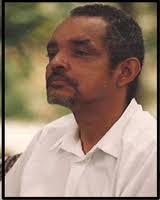
As a child, I seriously wanted to be a carpenter
I woke up this morning looking at my vision board and kept thinking of this man, I decided to do Google search on him and above topic is one of the topics I found about him, I find it very interesting and thought it wort sharing.
He is one of my mentors, I met him in 1998 in Ibadan at Educare Trust Development Center Bodija, since then my thinking about youth development and my environment change completely, he has touch so many life and mine is one of them.
Enjoy the interview below by Yinka Fabowale.
Nigeria’s legal icon, Aare Afe Babalola (SAN) dubbed him “Mr. White”,
but not, perhaps, on account of his “Oyinbo” looks. Indeed, Dr. Tony
Olatokunbo Marinho is of a proud Nigerian parentage and heritage,
although born of an Irish mother.
but not, perhaps, on account of his “Oyinbo” looks. Indeed, Dr. Tony
Olatokunbo Marinho is of a proud Nigerian parentage and heritage,
although born of an Irish mother.
He is so called because wherever and whenever you meet him; you will
find him in a white short-sleeved shirt and a pair of chinos trousers!
find him in a white short-sleeved shirt and a pair of chinos trousers!
Of course, with a thriving medical practice in Ibadan, Oyo State
capital, Marinho could afford a rich wardrobe of assorted fabrics and
accessories.
capital, Marinho could afford a rich wardrobe of assorted fabrics and
accessories.
However, the fact that he cared less so is just the point that
reinforces the thought that his middle name should have been lettered
M-O-D-E-S-T-Y.
reinforces the thought that his middle name should have been lettered
M-O-D-E-S-T-Y.
But Marinho is not so modest in his passion for his profession,
medicine, and two other things that engage his interest – writing and
advocacy for youth development into which he channels his time, energy
and resources.
medicine, and two other things that engage his interest – writing and
advocacy for youth development into which he channels his time, energy
and resources.
Besides trying to usher in new lives into the world as a
gynaecologist and ultra sound expert, Marinho is an arts enthusiast,
newspaper columnist, author of many books in various genres and astute
campaigner for investments in youths.
gynaecologist and ultra sound expert, Marinho is an arts enthusiast,
newspaper columnist, author of many books in various genres and astute
campaigner for investments in youths.
An acolyte of Nobel Laureate, Prof. Wole Soyinka, Marinho serves as
executive secretary to Educare Trust, a non-governmental organisation
with a youth centre based in Ibadan, which he co-founded. In this
encounter, you meet a physician, who sees his heeling mission as going
beyond clinical diagnosis and treatment to encompassing the Nigerian
society, with all that ails it.
executive secretary to Educare Trust, a non-governmental organisation
with a youth centre based in Ibadan, which he co-founded. In this
encounter, you meet a physician, who sees his heeling mission as going
beyond clinical diagnosis and treatment to encompassing the Nigerian
society, with all that ails it.
Lets take a voyage back into your childhood, how was growing up like?
Well, I was only at my birth an innocent bystander. I knew nothing
about it, but I was born in Dublin. My father was studying medicine then
and after that we moved to England. I came home in 1956 for the first
time. I went to Saint Patrick’s, Yaba. And then went back to England,
because my father went back to England to study psychiatry. He later
came back in 1960. In fact, we all came back in 1961. Thereafter, he was
at Yaba Psychiatric Hospital, where he eventually became the Chief
Consultant. And I went to Saint Gregory’s. My grandpa and my dad also
went to Saint Gregory’s. In fact, one of the upsets of my life is that
my children couldn’t go to Saint Gregory’s, not because they were dull.
Two of them are boys, but the issue was the school had been run down
totally, having been taken over by government. It was very messed up.
So, we couldn’t sacrifice them just for tradition. But right now, we’ve
got the school back and we are building it up again. I did my A’ level
at Saint Gregory’s and then I was head boy. Then I came to U.I.
(University of Ibadan) to read medicine.
about it, but I was born in Dublin. My father was studying medicine then
and after that we moved to England. I came home in 1956 for the first
time. I went to Saint Patrick’s, Yaba. And then went back to England,
because my father went back to England to study psychiatry. He later
came back in 1960. In fact, we all came back in 1961. Thereafter, he was
at Yaba Psychiatric Hospital, where he eventually became the Chief
Consultant. And I went to Saint Gregory’s. My grandpa and my dad also
went to Saint Gregory’s. In fact, one of the upsets of my life is that
my children couldn’t go to Saint Gregory’s, not because they were dull.
Two of them are boys, but the issue was the school had been run down
totally, having been taken over by government. It was very messed up.
So, we couldn’t sacrifice them just for tradition. But right now, we’ve
got the school back and we are building it up again. I did my A’ level
at Saint Gregory’s and then I was head boy. Then I came to U.I.
(University of Ibadan) to read medicine.
Did the fact of your dad being a doctor influenced your decision to go into medicine?
You can’t always tell the answer to that question, but I had
initially wanted to be a carpenter, then I wanted to be a policeman,
then I wanted to be some other things and I finally decided that I
wanted to do medicine. I was afraid of taking up medicine, because I was
scared of giving a patient the wrong drugs. You see so many drugs, how
do they know which one to use for a particular person? So, later on, I
decided that medicine was what I wanted to do. And that’s why I came to
study medicine.
initially wanted to be a carpenter, then I wanted to be a policeman,
then I wanted to be some other things and I finally decided that I
wanted to do medicine. I was afraid of taking up medicine, because I was
scared of giving a patient the wrong drugs. You see so many drugs, how
do they know which one to use for a particular person? So, later on, I
decided that medicine was what I wanted to do. And that’s why I came to
study medicine.
Carpentry, for a son in a middle class family?
When a child is a child, he is a child. It doesn’t matter who you are
or where you are in life. You have interests when you see other people
doing a job. In fact, I think maybe wanting to be a policeman was
because of one gentleman called “Fynecountry”, who was a fantastic
police officer on our road from Yaba to Ikoyi. When going to school
every morning, he was often stationed around Apapa Road. He was always
supervising his boys, making sure the traffic was moving. So, I supposed
such things impressed me and I believe I will never forget that
gentleman. I think my father actually came to know him. They were
friends or something. I have forgotten what the circumstance was, but I
felt that must have been it. And also, when you watch television and you
see policemen solving crimes cases. So, there is nothing wrong in
wanting to be a policeman. Everybody has to do the job that is
available, one way or the other.
or where you are in life. You have interests when you see other people
doing a job. In fact, I think maybe wanting to be a policeman was
because of one gentleman called “Fynecountry”, who was a fantastic
police officer on our road from Yaba to Ikoyi. When going to school
every morning, he was often stationed around Apapa Road. He was always
supervising his boys, making sure the traffic was moving. So, I supposed
such things impressed me and I believe I will never forget that
gentleman. I think my father actually came to know him. They were
friends or something. I have forgotten what the circumstance was, but I
felt that must have been it. And also, when you watch television and you
see policemen solving crimes cases. So, there is nothing wrong in
wanting to be a policeman. Everybody has to do the job that is
available, one way or the other.
Why gynaecology and obstetrics?
I was very fortunate in medicine. When I finished I had the option of
doing almost every subject that I came around and it was actually quite
difficult for me to choose what I wanted to do. But we had some
wonderful teachers like the late Prof. Paul Hendrickson and Prof. Ojo.
So, all of them were good examples. But, I like to use my hands and what
we say in obstetrics/gynaecology is that we use our hands and our
heads; medical people use their heads and don’t use their hands, and the
surgeons use their hands and don’t use their heads (laughs). But that
is not true anyway, but that is the idea. Also, I thought having done
medicine like dad I should do something else, so that there will be no
overlap, so it would not be like ‘follow-follow” too much if you like.
That was how I ended up being a gynaecologist.
doing almost every subject that I came around and it was actually quite
difficult for me to choose what I wanted to do. But we had some
wonderful teachers like the late Prof. Paul Hendrickson and Prof. Ojo.
So, all of them were good examples. But, I like to use my hands and what
we say in obstetrics/gynaecology is that we use our hands and our
heads; medical people use their heads and don’t use their hands, and the
surgeons use their hands and don’t use their heads (laughs). But that
is not true anyway, but that is the idea. Also, I thought having done
medicine like dad I should do something else, so that there will be no
overlap, so it would not be like ‘follow-follow” too much if you like.
That was how I ended up being a gynaecologist.
Women who come to your clinic here to do ultrasound call you
“Oko Oloyun” (Pregnant women’s lover). How is it to deal with such a
throng?
“Oko Oloyun” (Pregnant women’s lover). How is it to deal with such a
throng?
It’s a very humbling thing to deliver a baby, because when a woman
asks you: “Will I deliver safely?”, you cannot answer that question. So,
you tell the patient when you come to post-antenatal clinic in six
weeks time after the baby had been delivered then I will answer that
question. Yes! Because it is such a dangerous time, it is such a
frightening experience, and also a joyful one. It is full of emotions
and everything all at the same time. And of course, all you need to do
is to have a circumstance where either the baby is lost or the mother is
lost. You know how painful and how dangerous this process called
delivery is; very frightening experience.
asks you: “Will I deliver safely?”, you cannot answer that question. So,
you tell the patient when you come to post-antenatal clinic in six
weeks time after the baby had been delivered then I will answer that
question. Yes! Because it is such a dangerous time, it is such a
frightening experience, and also a joyful one. It is full of emotions
and everything all at the same time. And of course, all you need to do
is to have a circumstance where either the baby is lost or the mother is
lost. You know how painful and how dangerous this process called
delivery is; very frightening experience.
As senior prefect you couldn’t have been a prankster, or were you as naughty as other boys?
It was Catholic school, and there was discipline, but I did what I
had to do in school. I will call myself the “middle of the road” guy. I
was not smoking in the toilet and I was not jumping the fence. Well, not
all the time though. That’s me.
had to do in school. I will call myself the “middle of the road” guy. I
was not smoking in the toilet and I was not jumping the fence. Well, not
all the time though. That’s me.
You are an author and writer of many books, at what point did the interest in literature set in?
I did art as far as I could in school. I mean art subjects. For
medicine, you have to choose physics, chemistry and agric or zoology for
A’level. So, that restricted your outlook, but in the university in
those days, the arts community in Ibadan was an exceedingly exciting
one. Soyinka just got these people all over the place- Tunji Oyelana and
all these people. My uncle, Sumbo Marinho was there. So, I fell into
the middle of that, and I was acting on stage. I was doing a set of
plays; we did Nigeria, we did Importance of being honest, we did After
run time. We did all sorts of plays, even as medical students. So, we
had that.
medicine, you have to choose physics, chemistry and agric or zoology for
A’level. So, that restricted your outlook, but in the university in
those days, the arts community in Ibadan was an exceedingly exciting
one. Soyinka just got these people all over the place- Tunji Oyelana and
all these people. My uncle, Sumbo Marinho was there. So, I fell into
the middle of that, and I was acting on stage. I was doing a set of
plays; we did Nigeria, we did Importance of being honest, we did After
run time. We did all sorts of plays, even as medical students. So, we
had that.
I did my house job in Lagos and youth service in Jos. While I was
doing my house job in Lagos, a man was brought into my clinic dead and I
was asked to certify that he was dead. The first thing it taught me was
exceedingly important. So, there were no questions to be asked. And I
did that. I succeeded in actually certifying that he’s dead, with the
signs on his body and I made the record and certified him dead and that
was the end of the case. But that was what led to my first book, because
that was the book about somebody being brought in dead and somebody
else accused of his murder and so on, eventually being prosecuted. So,
that was the first book I wrote called, The Victim. It was actually
called, Enter the victim. It took seven years to be published.
doing my house job in Lagos, a man was brought into my clinic dead and I
was asked to certify that he was dead. The first thing it taught me was
exceedingly important. So, there were no questions to be asked. And I
did that. I succeeded in actually certifying that he’s dead, with the
signs on his body and I made the record and certified him dead and that
was the end of the case. But that was what led to my first book, because
that was the book about somebody being brought in dead and somebody
else accused of his murder and so on, eventually being prosecuted. So,
that was the first book I wrote called, The Victim. It was actually
called, Enter the victim. It took seven years to be published.
How many have been published?
There is Enter the victim. There is April Fool, a book on apartheid
in South Africa. There is Nene as well as the Bobo series. There is Tell
it to Mr. President. And my latest one is Wristwatch, which is a
collection of short stories and poems.
in South Africa. There is Nene as well as the Bobo series. There is Tell
it to Mr. President. And my latest one is Wristwatch, which is a
collection of short stories and poems.
What moves you to write? And what are your concerns?
Annoyance! Annoyance! Because potholes should not be on the road –
when you have seen a victim, when you have buried a victim of a pothole
accident or you have stood by his bed while he died and you could not do
anything, or you are operating on him to save him and he still dies,
then you know that you must say something otherwise, they will think
that it’s just a pothole. It is not a pothole; it is murder waiting to
happen. And it happens. What about the kids who died, because there are
no drugs or other medical consumables? I have operated with my hands
before, because there were no gloves. They said they couldn’t afford to
buy gloves in the hospital. I have operated with a torch before, because
there was no generator and if you don’t help, the patient will die. And
yet you know some idiots have all the money. There was a time we had a
commissioner who said we should not write “out of stock”, when there are
no drugs. At least they (patients) won’t know the difference between
antibiotics and panadol. So, we should give them panadol and they will
go. Of course, you know what I told him? I told him not on my watch. The
truth has to be told, because you must make it uncomfortable for those
that are comfortable by stealing our money. If they are uncomfortable
like us, then we will all be uncomfortable together and we can begin to
solve our problems maybe. Who knows?
when you have seen a victim, when you have buried a victim of a pothole
accident or you have stood by his bed while he died and you could not do
anything, or you are operating on him to save him and he still dies,
then you know that you must say something otherwise, they will think
that it’s just a pothole. It is not a pothole; it is murder waiting to
happen. And it happens. What about the kids who died, because there are
no drugs or other medical consumables? I have operated with my hands
before, because there were no gloves. They said they couldn’t afford to
buy gloves in the hospital. I have operated with a torch before, because
there was no generator and if you don’t help, the patient will die. And
yet you know some idiots have all the money. There was a time we had a
commissioner who said we should not write “out of stock”, when there are
no drugs. At least they (patients) won’t know the difference between
antibiotics and panadol. So, we should give them panadol and they will
go. Of course, you know what I told him? I told him not on my watch. The
truth has to be told, because you must make it uncomfortable for those
that are comfortable by stealing our money. If they are uncomfortable
like us, then we will all be uncomfortable together and we can begin to
solve our problems maybe. Who knows?
Has your career as a writer been worth the while financially?
No! Not at all, it’s worthwhile when your nephew said to me he’s read
my book. Yesterday a lady came to me and said: ‘Are you the Marinho
that wrote that book about South Africa apartheid?’ She said she still
has the book. And she’s had it like 15 or 18 years, if not more than
that. That is what satisfies me. A child walked up to me and said to me:
‘Are you Dr. Marinho?’ I said yes. She said: ‘I have read your book in
school.’ So, I said: ‘Oh! That’s very interesting.’ And I asked: ‘Have
all your classmates read it?’ She said yes. I said: ‘How many copies
have they read?’ He said: ‘I brought one copy and they read it all
round.’ Then I said okay. So how do you expect to make money like that?
The joy is that they read the books. But if you want to make money, you
have to be very well connected.
my book. Yesterday a lady came to me and said: ‘Are you the Marinho
that wrote that book about South Africa apartheid?’ She said she still
has the book. And she’s had it like 15 or 18 years, if not more than
that. That is what satisfies me. A child walked up to me and said to me:
‘Are you Dr. Marinho?’ I said yes. She said: ‘I have read your book in
school.’ So, I said: ‘Oh! That’s very interesting.’ And I asked: ‘Have
all your classmates read it?’ She said yes. I said: ‘How many copies
have they read?’ He said: ‘I brought one copy and they read it all
round.’ Then I said okay. So how do you expect to make money like that?
The joy is that they read the books. But if you want to make money, you
have to be very well connected.
You are more of which of these three? Tony Marinho, the
doctor; Tony Marinho the writer; Tony Marinho, the activist advocate of
youth development?
doctor; Tony Marinho the writer; Tony Marinho, the activist advocate of
youth development?
Well, I must say that I didn’t know the answer to that question until
now and I am going to answer it probably for the first time correctly. I
am first and foremost a doctor. My doctoring has allowed me to see the
wonders of God and the suffering of our people as well ass the needless
death and damage unleashed on our people. It has also provided me with a
living. It has allowed me to educate my children and it has allowed me
to engage in my passion, which is writing and other passions, which is
Educare and the youth issue, because it consumes a lot of fund running
an NGO.
now and I am going to answer it probably for the first time correctly. I
am first and foremost a doctor. My doctoring has allowed me to see the
wonders of God and the suffering of our people as well ass the needless
death and damage unleashed on our people. It has also provided me with a
living. It has allowed me to educate my children and it has allowed me
to engage in my passion, which is writing and other passions, which is
Educare and the youth issue, because it consumes a lot of fund running
an NGO.
The other ones are passion. My medicine is a passion too. It’s really
a passion and I inherited that from all the people who are my teachers.
My father was a very passionate psychiatrist also. I went to him one
day and said: ‘Daddy, how are you coping giving your drugs free to
patients?’ You know he was not charging….all the patients would just
come and take his drugs. In psychiatry all your patients are already
long term so you know them very well. So after some time you will know
that they don’t have the money for drugs and all these. I said: ‘What is
the matter? Are you going to make a living out of this?’ He said:
‘Thank God, you are a doctor. Very soon you will learn.’ So, I have
learnt a lot in my life.
a passion and I inherited that from all the people who are my teachers.
My father was a very passionate psychiatrist also. I went to him one
day and said: ‘Daddy, how are you coping giving your drugs free to
patients?’ You know he was not charging….all the patients would just
come and take his drugs. In psychiatry all your patients are already
long term so you know them very well. So after some time you will know
that they don’t have the money for drugs and all these. I said: ‘What is
the matter? Are you going to make a living out of this?’ He said:
‘Thank God, you are a doctor. Very soon you will learn.’ So, I have
learnt a lot in my life.
How are you able to manage your time given your pyramidal schedule-clinic to Educare, then home?
I do like to work and I know patients come to see me, and it is wise
to be at site when they come. Patients get very upset if they are
expecting to see you and you are not there even if they haven’t got an
appointment. When I’m not here, it’s often because I’m giving a lecture
at UCH or U.I or I have something like an assignment. But I got that
discipline again, perhaps from my teachers and my father. And I believe
in when it’s time for work, it’s time for work so I can get here at
about twenty or quarter past or twenty past seven every morning. And I
usually close around four. When I was working in Oluyoro, my children
were always the first to be dropped at Marylway. And then later I now
decided I get a car to take them. And I came by myself to Oluyoro. You
are either like that or you are not like that. Some people will come at
nine. That’s the way they are made up. Afterwards, I used to go to
Educare, but now I’m trying not to, because I’m not a youth anymore and I
want Educare to grow on its own. There are wonderful people there. I
want them to take control. So I made a point of not interfering. I am
not going there because things have got to move on. When you see people
representing a youth organization and they are over 60 you will begin to
wonder like, ‘What are they doing there?’ That one is on Educare. So, I
will generally go home after all. What you are asking indirectly is how
do you find time to write when you’re doing these things? And it is
very simple. Usually by my side I always have a piece of paper on which
I’m writing relevant thoughts or relevant ideas. So I’m writing down
some things. In the evening when I get home, I collect all these papers
and I disassemble them, and I put them on my laptop. But I will have
the TV on. I generally communicate with the TV, because I write a weekly
column and therefore you need to have news. So, you need to be updated.
I have the television on when I’m writing and so that allows me to
write. If you get inspiration at 3 o’ clock in the morning, you write on
your blank sheet of paper when there is no light.
to be at site when they come. Patients get very upset if they are
expecting to see you and you are not there even if they haven’t got an
appointment. When I’m not here, it’s often because I’m giving a lecture
at UCH or U.I or I have something like an assignment. But I got that
discipline again, perhaps from my teachers and my father. And I believe
in when it’s time for work, it’s time for work so I can get here at
about twenty or quarter past or twenty past seven every morning. And I
usually close around four. When I was working in Oluyoro, my children
were always the first to be dropped at Marylway. And then later I now
decided I get a car to take them. And I came by myself to Oluyoro. You
are either like that or you are not like that. Some people will come at
nine. That’s the way they are made up. Afterwards, I used to go to
Educare, but now I’m trying not to, because I’m not a youth anymore and I
want Educare to grow on its own. There are wonderful people there. I
want them to take control. So I made a point of not interfering. I am
not going there because things have got to move on. When you see people
representing a youth organization and they are over 60 you will begin to
wonder like, ‘What are they doing there?’ That one is on Educare. So, I
will generally go home after all. What you are asking indirectly is how
do you find time to write when you’re doing these things? And it is
very simple. Usually by my side I always have a piece of paper on which
I’m writing relevant thoughts or relevant ideas. So I’m writing down
some things. In the evening when I get home, I collect all these papers
and I disassemble them, and I put them on my laptop. But I will have
the TV on. I generally communicate with the TV, because I write a weekly
column and therefore you need to have news. So, you need to be updated.
I have the television on when I’m writing and so that allows me to
write. If you get inspiration at 3 o’ clock in the morning, you write on
your blank sheet of paper when there is no light.
Do you socialize?
Yes of course. I have a group of friends. We meet pretty regularly.
How do you relax?
We friends sit down and watch TV. I am not the football type, so I
don’t watch football, we watch TV, talk about old times and the times to
be and share a drink or two as the case may be.
don’t watch football, we watch TV, talk about old times and the times to
be and share a drink or two as the case may be.
You are an associate of the Nobel laureate, Prof. Wole Soyinka. How did that friendship come about?
I met him during my U.I days. He was an icon to us then. And I think
his Nobel Laureate came in 1986. We had known him since 1969 when I got
into U.I. And my uncle, Dr. Sumbo Marinho (now late), Tunji Oyelana,
Femi Fatoba; you know there was that group he had brought up and he had
gone off to live at Ife. So there was still that link and we knew him.
So, Soyinka was up there for us forever and ever, even though he used to
drive that tiny little mini-car around that time. So, we were one of
the followers. I won’t say I’m an associate of him; I would just say I
am one of those who appreciate him.
his Nobel Laureate came in 1986. We had known him since 1969 when I got
into U.I. And my uncle, Dr. Sumbo Marinho (now late), Tunji Oyelana,
Femi Fatoba; you know there was that group he had brought up and he had
gone off to live at Ife. So there was still that link and we knew him.
So, Soyinka was up there for us forever and ever, even though he used to
drive that tiny little mini-car around that time. So, we were one of
the followers. I won’t say I’m an associate of him; I would just say I
am one of those who appreciate him.
Soyinka is one of those people who have been consistent. I actually
believe that in an intelligent society, he should have been given since
the Nobel laureate, an annual grant to do whatever play, whatever film,
whatever thing he wanted to do, so as to build up the body of work.
believe that in an intelligent society, he should have been given since
the Nobel laureate, an annual grant to do whatever play, whatever film,
whatever thing he wanted to do, so as to build up the body of work.
By the Federal Government or who?
He has a state. He has the Federal Government. Why not? How many
laureates has Nigeria got? You give so much money to useless cousins.
Once a person has achieved a scientific or artistic or medical
excellence, they should be able to be given grants, because every time
they represent the nation abroad, they’ll say from Nigeria. What more do
you want from a Nigerian than having him as your leading light in the
outer world? What happened? We got Americans to do “Fela.” You know the
Fela international play that came to Nigeria. Weren’t you upset? I was
very upset. We had the late Steve Rhodes. He only died a few years ago,
we have Soyinka, we have Papa Akinwunmi Ishola and others who could have
come together and do the authentic play because they knew, when he was a
baby. Then we now sold our soul to America, and we said to them: ‘Do an
opera on Fela.’ They couldn’t see that was a financial goldmine. Ipi
Tombi came when we were students, from South Africa. Have we sent
anything there? What is the matter? We had artistes, who will fund them.
You have to go and beg the banks, go and beg some telecommunications
firms and so on to give you two million, when Federal Government could
have said: “Take N50 million and go and get it done.” Soyinka can’t
steal their N50 million, whereas, he could have done an excellent job.
But who is going to do it? Sometimes I agree that we’ve lost it. We
never had it anyway…that’s it.
laureates has Nigeria got? You give so much money to useless cousins.
Once a person has achieved a scientific or artistic or medical
excellence, they should be able to be given grants, because every time
they represent the nation abroad, they’ll say from Nigeria. What more do
you want from a Nigerian than having him as your leading light in the
outer world? What happened? We got Americans to do “Fela.” You know the
Fela international play that came to Nigeria. Weren’t you upset? I was
very upset. We had the late Steve Rhodes. He only died a few years ago,
we have Soyinka, we have Papa Akinwunmi Ishola and others who could have
come together and do the authentic play because they knew, when he was a
baby. Then we now sold our soul to America, and we said to them: ‘Do an
opera on Fela.’ They couldn’t see that was a financial goldmine. Ipi
Tombi came when we were students, from South Africa. Have we sent
anything there? What is the matter? We had artistes, who will fund them.
You have to go and beg the banks, go and beg some telecommunications
firms and so on to give you two million, when Federal Government could
have said: “Take N50 million and go and get it done.” Soyinka can’t
steal their N50 million, whereas, he could have done an excellent job.
But who is going to do it? Sometimes I agree that we’ve lost it. We
never had it anyway…that’s it.
What has life taught you?
I’m frightened that the suffering that people are going through
aren’t easing at all, except for the grace of God. And therefore, you
must always do your best to help ameliorate that problem in other people
and help them through their problems, because of their health. Every
big man gets a loan, so you must give loan to other people. You see now
all the big people are borrowing money from those banks. That is why we
cannot borrow money from the banks except for 26 per cent interest or
something. In other societies you can get five, six or seven per cent.
Nigeria has become such a difficult place to live. Our people have had
to suffer so much in order to sustain themselves. Back then there was
water in the taps, we didn’t have generators, the telephone worked, the
transport was really good. In fact, they just opened the expressway in
the 70s – the Lagos-Ibadan. People are telling you that it is the
population that is not allowing it to work, that there are too many
people. It is not the population; it is the incompetence on the part of
those who take over the power of government. There is corruption, the
incompetence, the neglect – those who are there are not doing the right
thing and finally, there is greater amount of selfishness. They see
their position as a place to cause obstruction to others. And that is
why you have all these NGOs trying to solve little problems here and
there. And when you do that government removes its eyes, chops the money
and goes somewhere else. That is really the most painful thing. You’ll
even think, maybe for the fact that we are all buying generators and
managing, sending our kids to private schools and we are doing this and
that. If only we can all stop doing all these things. We decide that we
are not using generators.
aren’t easing at all, except for the grace of God. And therefore, you
must always do your best to help ameliorate that problem in other people
and help them through their problems, because of their health. Every
big man gets a loan, so you must give loan to other people. You see now
all the big people are borrowing money from those banks. That is why we
cannot borrow money from the banks except for 26 per cent interest or
something. In other societies you can get five, six or seven per cent.
Nigeria has become such a difficult place to live. Our people have had
to suffer so much in order to sustain themselves. Back then there was
water in the taps, we didn’t have generators, the telephone worked, the
transport was really good. In fact, they just opened the expressway in
the 70s – the Lagos-Ibadan. People are telling you that it is the
population that is not allowing it to work, that there are too many
people. It is not the population; it is the incompetence on the part of
those who take over the power of government. There is corruption, the
incompetence, the neglect – those who are there are not doing the right
thing and finally, there is greater amount of selfishness. They see
their position as a place to cause obstruction to others. And that is
why you have all these NGOs trying to solve little problems here and
there. And when you do that government removes its eyes, chops the money
and goes somewhere else. That is really the most painful thing. You’ll
even think, maybe for the fact that we are all buying generators and
managing, sending our kids to private schools and we are doing this and
that. If only we can all stop doing all these things. We decide that we
are not using generators.
If Ibadan–Lagos expressway is not good, we can all decide to boycott
it for five days. If we decide to say this road is bad and we’re not
going to take it and we boycott the road, then the government’s
attention would be drawn to the fact that there is a pothole on that
road. They must fix it! Not just because the governor’s son is getting
married or the local government chairman’s father has died and they want
to repair the road. You repair it for the citizens of Nigeria. In other
countries, the politicians respect their citizens. Here we make our
citizens to be gods and when these citizens are gods, they are now
insulting us and we are surprised. But we are the ones that said: “The
citizens become gods. Ra n ka dede sir! Chairman! Distinguished!!
Honourable!!!” What is honourable there in what you are doing? You are
doing something dishonourable. You are stealing my money and you are not
repairing my potholes. We don’t have that love. And it is even
affecting the medical profession and others. The patient is suffering.
You have no drugs to give. You give the patient a list to go and buy
drugs at midnight. Where is he going to buy the drugs that time? So you
are running a hospital and you don’t have emergency facilities
available.
it for five days. If we decide to say this road is bad and we’re not
going to take it and we boycott the road, then the government’s
attention would be drawn to the fact that there is a pothole on that
road. They must fix it! Not just because the governor’s son is getting
married or the local government chairman’s father has died and they want
to repair the road. You repair it for the citizens of Nigeria. In other
countries, the politicians respect their citizens. Here we make our
citizens to be gods and when these citizens are gods, they are now
insulting us and we are surprised. But we are the ones that said: “The
citizens become gods. Ra n ka dede sir! Chairman! Distinguished!!
Honourable!!!” What is honourable there in what you are doing? You are
doing something dishonourable. You are stealing my money and you are not
repairing my potholes. We don’t have that love. And it is even
affecting the medical profession and others. The patient is suffering.
You have no drugs to give. You give the patient a list to go and buy
drugs at midnight. Where is he going to buy the drugs that time? So you
are running a hospital and you don’t have emergency facilities
available.
Then you should close and not run that hospital. In England they
don’t allow you to go to certain hospitals at night. They will say this
is emergency hospital. Today, emergency between 6 and 8 o’clock in the
morning, go there. Then that hospital is the one that takes care of all
the emergencies coming. It has the drugs; it has the needles and
scissors. When you get there you don’t have to buy oxygen like you saw
depicted in my book, Nene. But we haven’t gotten to a stage like that.
We are still busy doing something else. I don’t know what we are doing,
but what we are doing is not good.
don’t allow you to go to certain hospitals at night. They will say this
is emergency hospital. Today, emergency between 6 and 8 o’clock in the
morning, go there. Then that hospital is the one that takes care of all
the emergencies coming. It has the drugs; it has the needles and
scissors. When you get there you don’t have to buy oxygen like you saw
depicted in my book, Nene. But we haven’t gotten to a stage like that.
We are still busy doing something else. I don’t know what we are doing,
but what we are doing is not good.
YINKA FABOWALE, Ibadan – www.sunnewsonline.com
www.olutaller.com


.jpg)
.jpg)
